


Latest news
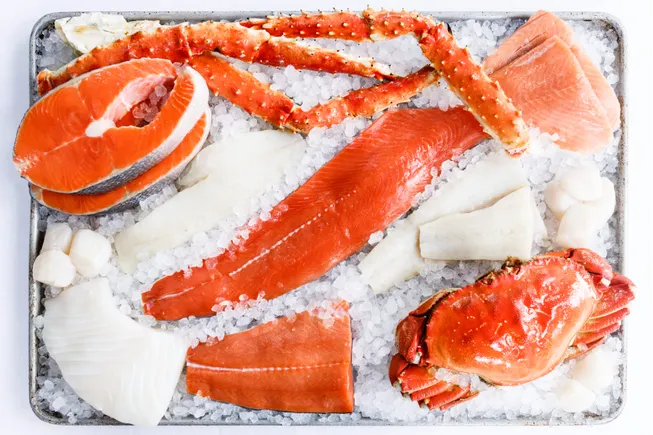
Circana research shows that only 10% of U.S. consumers purchased 42% of seafood, indicating significant market growth potential. Health, convenience, exploration, and sustainability demands are driving demand, with sustainability-conscious consumers showing a preference for Alaskan-sourced products. Chris DuBois proposes three major strategies: creating educational in-store experiences, offering ready-to-eat products, and reaching younger generations to lower consumption barriers and cultivate new customer segments.
Ahold Delhaize's U.S. business saw online sales grow 14.3% in Q1, but overall sales growth was weak. The company faces challenges such as egg price deflation, drug pricing policies, and reduced SNAP eligibility, with an expected drug price impact of approximately $450 million in 2026. Meanwhile, the company is advancing price investments and store renovations, and experiencing senior leadership changes.

Sprouts Farmers Market has maintained growth in recent years, but 2025 highlighted its weakness in insufficient price affinity. The company is leveraging its first loyalty program, Sprouts Rewards, fully launched in October 2025, to strengthen value delivery while maintaining its premium positioning. Industry experts believe the program helps improve customer communication, but its long-term effectiveness depends on data-driven personalization capabilities and its ability to attract low-frequency consumers.
Instacart announced on Tuesday the acquisition of retail technology platform Instaleap for an undisclosed amount. The acquisition will provide Instacart with grocery fulfillment solutions and expand its retailer network in regions such as Europe, Latin America, and the Middle East, accelerating international expansion.
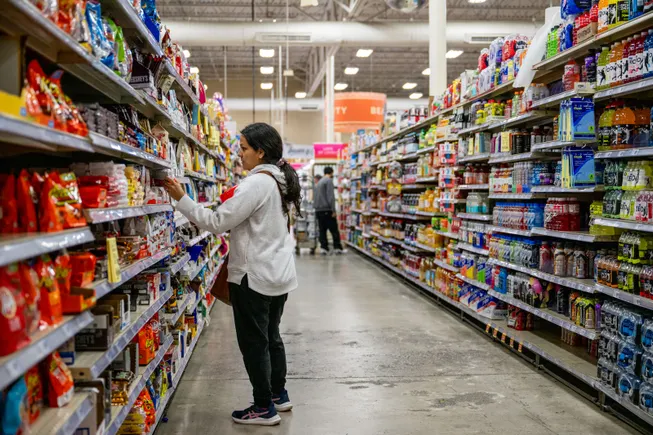
Industry observations show that American consumers visit at least two grocery stores on average per week, with only 1% maintaining loyalty to a single store. Victor Kimble, Chief Marketing Officer of creative agency Preston Spire, writes that grocery retailers need to shift from 'exclusive loyalty' to a 'category leadership' strategy, adapting to the new normal of 'multi-store shoppers' by focusing on advantageous categories, optimizing experiences, and positioning as destinations.
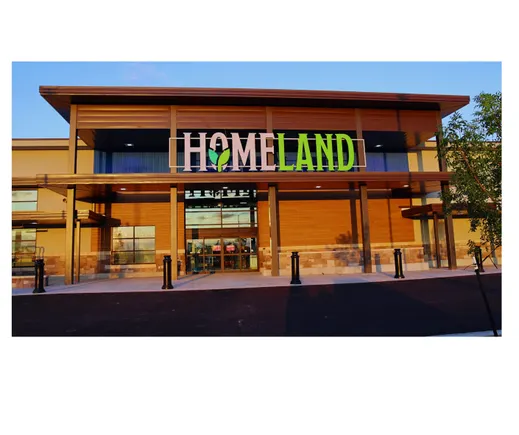
Homeland Stores announced via Facebook on Thursday that it will close 4 stores in Oklahoma within the next 45 days, consolidate stores in 3 other markets, and list some locations for sale. These adjustments come just 4 months after its parent company, HAC, Inc., appointed Frank Archer as President and CEO, and follow another significant round of closures last summer.
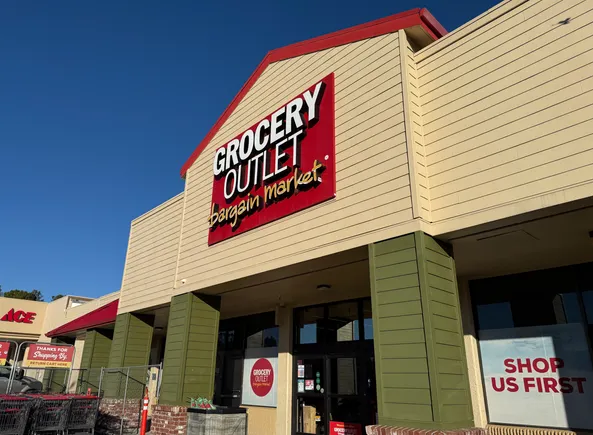
Grocery Outlet and Sprouts Farmers Market, as the fastest-growing grocery chains in the U.S., have recently faced challenges due to overly rapid expansion. Grocery Outlet closed 36 stores, while Sprouts saw slower same-store sales growth. Meanwhile, competitors like Aldi and Publix continue to expand aggressively. This article explores the risks of rapid expansion strategies in a fluctuating market and how retailers can balance growth with operational stability.
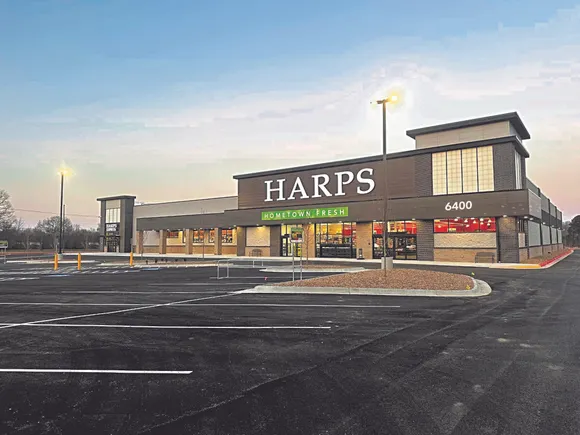
Harps Food Stores will enter the Tennessee and Kentucky markets for the first time by acquiring 18 stores from Dyer Foods. The transaction is expected to be completed this summer, with specific terms not disclosed.
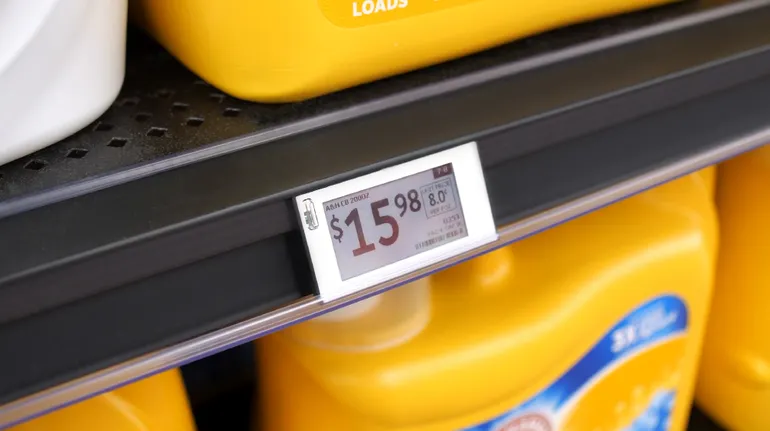
U.S. grocers, while adjusting pricing strategies to stay competitive, are facing increasingly stringent legislative scrutiny over their use of dynamic pricing—which critics call 'surveillance pricing.' In 2025, over 100 price transparency bills were introduced across 33 states and Washington, D.C.; entering the new year, legislative momentum shows no signs of slowing. Unions, state legislatures, and federal senators are pushing for restrictions at different levels.
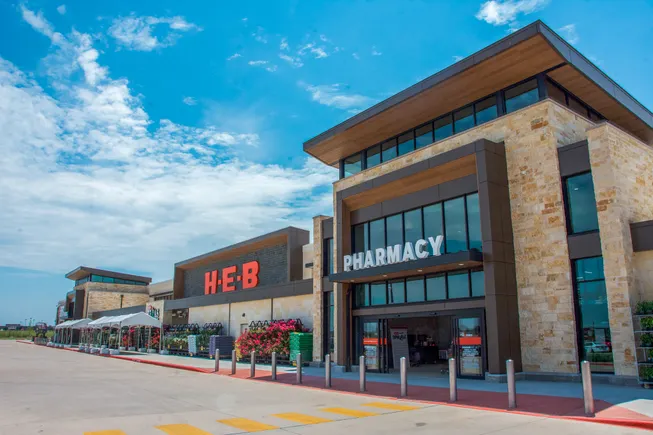
H-E-B announced it will build a new supermarket on a landfill site in Buda, Texas, that has been idle for decades, securing over $20 million in support through local government incentive programs, and committing to remediate the land, improve roads, and create jobs.