


Latest news
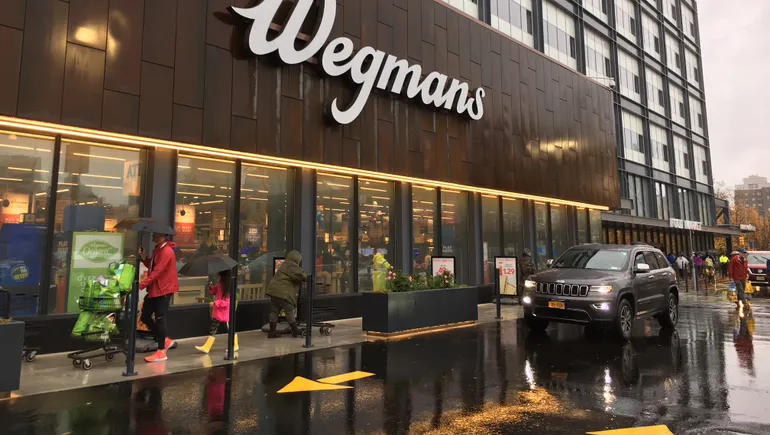
On Sunday morning, hundreds of customers braved rain and waited in line for hours to enter Wegmans' first store in New York City. The 103-year-old supermarket chain is testing the urban market with a compact 74,000-square-foot format, which analysts say will test its adaptability and could provide a template for entering downtown areas like Philadelphia and Chicago.
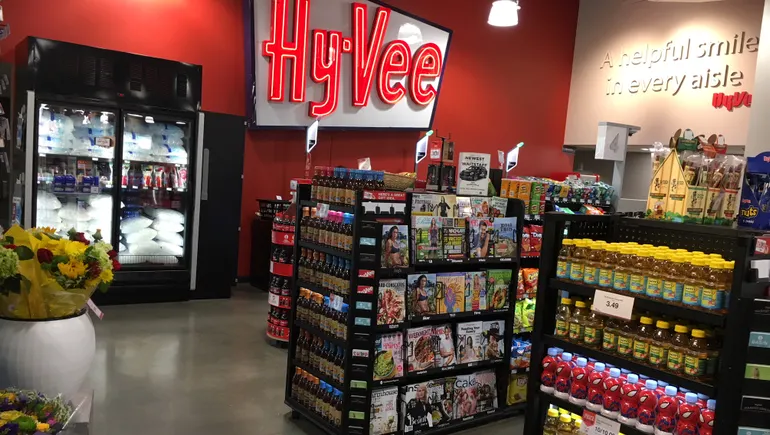
After operating large standard suburban stores for decades, American grocers are shifting toward smaller, more focused store formats. Iowa has become the center of this transformation, with Hy-Vee exploring future retail forms through three new store concepts: HealthMarket, Fast & Fresh, and Fourth + Court.
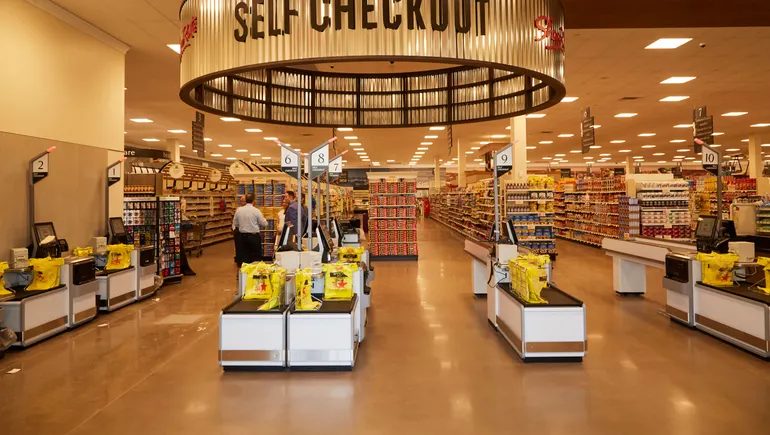
Grocery retail automation has shifted from 'whether' to 'when,' but technology implementation raises concerns about employee jobs. McKinsey research shows that about half of retail activities can be automated with existing technology, yet only 5% of jobs can be fully automated. Companies like Walmart and Sam's Club are attempting human-machine collaboration through robot assistance and retraining programs. Surveys show that 62% of grocery employees believe technology will create new opportunities, while 63% worry that some responsibilities will be replaced. Experts emphasize that transparent communication, skill reshaping, and employee involvement are key to successful transformation.

The grocery industry has long relied on internal promotions to cultivate executives, but digitalization and competitive pressures are driving companies to bring in external talent from fields such as technology and retail. This article analyzes cases including H-E-B and Albertsons, and discusses the advantages and risks of external hiring.